Renting a car in Malaysia as a visitor is refreshingly simple, but a handful of local rules and habits catch first-timers out every week — from which side of the road we drive on, to how tolls actually get paid, to what a "season parking" sign really means. Here's what to know before you pick up the keys.
Can you drive in Malaysia on a foreign licence?
Malaysia generally allows visitors to drive using a valid licence from their home country, and in many cases an International Driving Permit (IDP) issued alongside it is recommended or required, especially if your home licence is not in English. Requirements can differ depending on your nationality, how long you're staying, and whether your licence is in the Roman alphabet, so this is genuinely one area where you should check the official position — via the Road Transport Department (JPJ) or your embassy — rather than relying on general guidance like this one. As a rule of thumb, it's worth arranging an IDP before you fly out, since it's usually far easier to get one at home than to sort it out once you've landed.
Bring your original licence (not a photocopy), your IDP if you have one, and your passport when you collect your rental car. Most rental companies, us included, will ask to see all three before handing over the keys.
Driving on the left, right-hand drive cars
Malaysia drives on the left-hand side of the road, and cars are right-hand drive, similar to the UK, Australia, Japan, Singapore, Thailand and Indonesia. If you're used to driving on the right (as in the US, much of Europe, or China), give yourself a few extra minutes on quiet roads near your pick-up point before heading into busier traffic. The most common slip-up isn't the driving itself — it's muscle memory kicking in at roundabouts and when turning out of quiet junctions, where drivers instinctively pull into the wrong lane. Indicators and wipers are also swapped in position compared with left-hand-drive cars, so expect to flick on the wipers when you meant to signal, at least for the first day.
Tolls and Touch 'n Go
Almost all of Malaysia's expressways are tolled, and the near-universal way to pay is a Touch 'n Go card — a stored-value card that you tap at toll barriers (and increasingly, that gets read automatically via RFID on newer gantries without you needing to stop at all). The system works by pre-loading credit onto the card or your linked e-wallet, then deducting the toll amount automatically as you pass through. Cash lanes have largely been phased out on major highways, so a car without a working Touch 'n Go card or RFID tag can genuinely get stuck at a barrier.
When you rent with us, the car is already fitted with a Touch 'n Go tag or comes with a card in the vehicle, so you can head straight onto the Klang Valley's expressway network — useful if you're planning day trips out of Kuala Lumpur or heading to the airport. If you're unsure whether your rental vehicle's tag has enough credit loaded for a longer trip, just ask when you collect the car.
Parking norms visitors should know
Parking in Malaysia varies quite a bit by setting:
- Shopping malls typically charge by the hour with a ticket taken on entry and paid at a cashier or machine before you exit — rates are usually modest, and many malls offer a few hours free with a minimum spend receipt.
- Street parking in town centres and business districts is often metered through coupon systems or mobile apps managed by the local council, with attendants who check compliance. Look for signage or roadside boards — an empty-looking street with painted bays is rarely actually free.
- "Season parking" refers to a monthly reserved bay, usually rented long-term by residents or office workers — not something a visitor renting a car for a few days needs to worry about, but you'll see the term on signboards in car parks around KL and Subang Jaya.
Illegally parked cars do get clamped or towed in Malaysia, particularly around KLCC, Bukit Bintang and other high-traffic zones, so it's worth taking parking signage seriously even if enforcement looks relaxed.
Road etiquette worth knowing
Malaysian traffic has its own rhythm. A few things that help visitors blend in and stay safe:
- Motorcycles are everywhere, and lane splitting (riding between cars in slow-moving or stationary traffic) is common and generally tolerated, even if not formally endorsed in every situation. Always check mirrors and blind spots before changing lanes or opening a door, especially in stop-start traffic.
- Highway middle and right lanes are generally used for overtaking rather than cruising — keep left when you're not actively overtaking, as tailgating in the fast lane is a common source of friction.
- Rain changes everything. Tropical downpours can appear quickly and reduce visibility fast; it's normal (and sensible) to slow down significantly or pull over briefly rather than push on at normal speed.
- Horn use tends to be a quick warning tap rather than a prolonged statement — a light double-tap when overtaking on narrower roads is common courtesy, not aggression.
Emergency numbers and what to do if something happens
For police, ambulance or fire emergencies anywhere in Malaysia, dial 999. This is the general emergency line and operators can direct your call to the right service. If you're involved in an accident, however minor, it's standard practice to lodge a police report, and your rental company should be informed as soon as possible so they can guide you through next steps and insurance procedures. Keep your rental agreement and the rental company's contact number saved in your phone before you set off.
Getting the right car for your trip
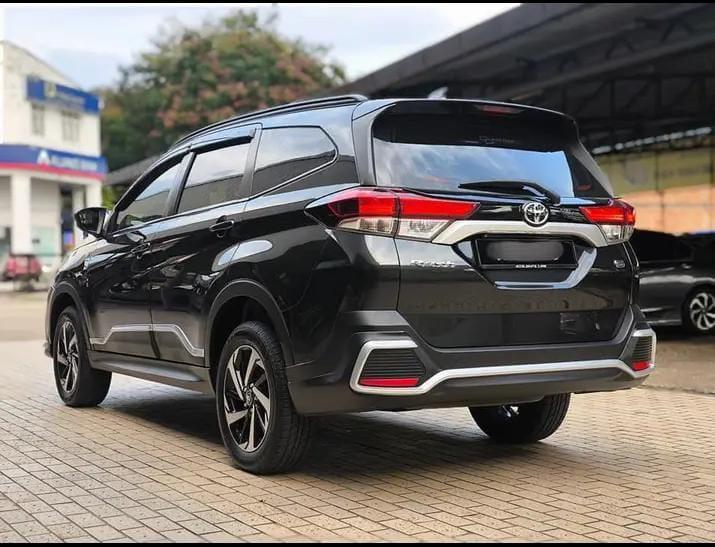
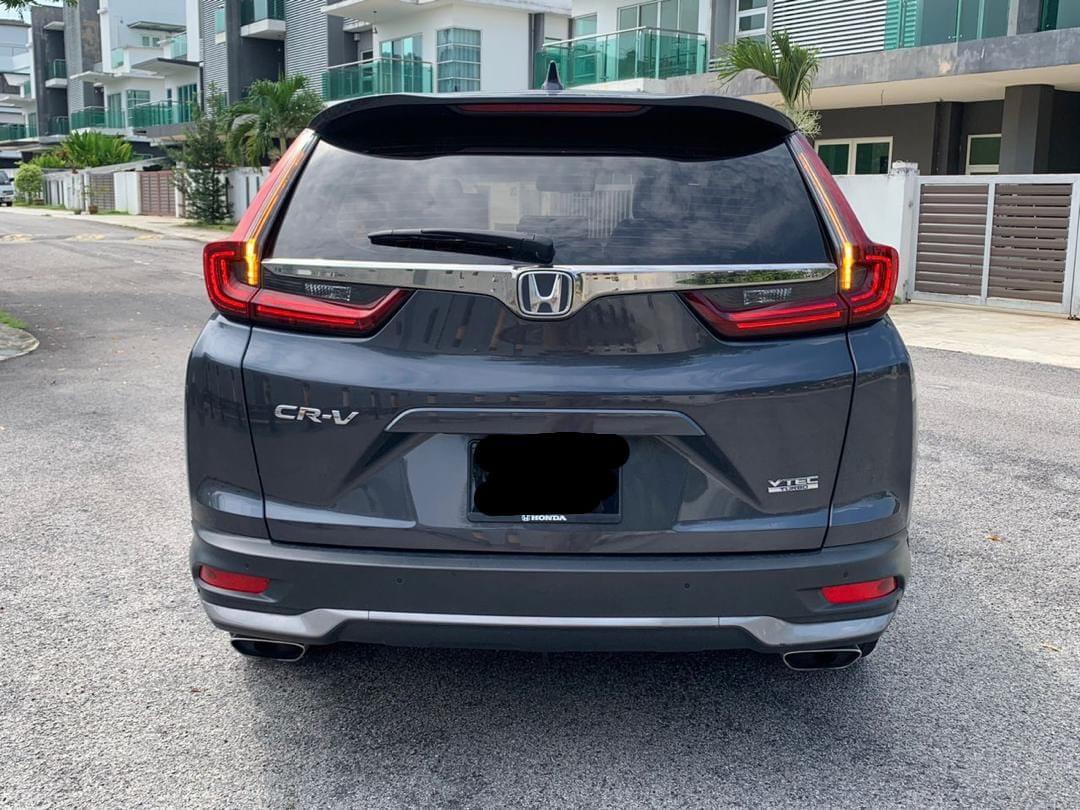
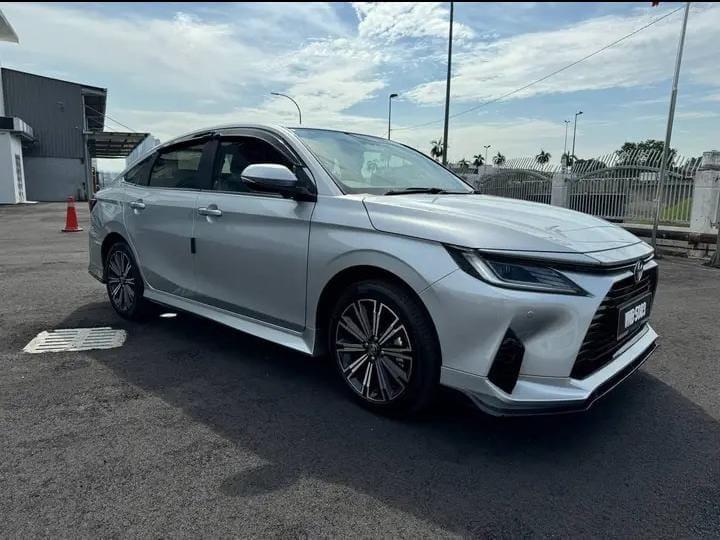
If you're touring beyond the city, a compact car is usually easiest for parking and navigating older town centres, while an SUV or MPV makes more sense for family trips, luggage-heavy itineraries, or road trips up to Genting or Cameron Highlands. Browse our full fleet to compare what's available, and if you're staying in the capital, our Kuala Lumpur page covers pick-up options in that area specifically. Landing at KLIA or KLIA2 and want the car waiting for you? Our airport transfer service and airport-ready rentals can save you the hassle of arranging transport twice.
Frequently asked questions
Do I need an International Driving Permit to rent a car in Malaysia?
It depends on your nationality and the details of your home licence — many visitors are advised to carry an IDP alongside their original licence, particularly if the licence isn't in English. Check the current requirement with JPJ or your embassy before you travel, and bring both documents just in case.
How do I pay tolls if I don't have my own Touch 'n Go card?
Rental vehicles are typically equipped with a Touch 'n Go tag or card already, so tolls are deducted automatically as you drive — no need to source your own card. Confirm the tag has sufficient credit for your planned route when you collect the car.
Is it safe for a tourist to self-drive around Kuala Lumpur and the Klang Valley?
Yes, with a bit of caution — traffic is busier during peak hours and rain can arrive suddenly, but roads are generally well signed and expressways are in good condition. Sticking to major routes, avoiding rush hour where possible, and staying alert around motorcycles will cover most of what catches visitors out.
Ready to book your Malaysia self-drive rental? Message us on WhatsApp at +60 17-723 0727 and we'll help you pick the right car, confirm toll and insurance details, and arrange pick-up wherever suits your itinerary.